Our Story
The Watoto Afrika Initiative was born from the lived experience and courage of Vivian, who survived an attempted forced marriage at just 16 to a 62-year-old man in exchange for school fees. Her fear and silence reflected what many Tanzanian children face daily: decisions made without their voice, trauma ignored, and violence normalised as “culture”. Her suffering was invisible because no one was trained to see the signs of emotional distress.
When Vivian sought help from her church, she was finally heard and protected. That support restored her dignity, saved her education, and revealed a truth that guides Watoto Afrika today: children are not broken; what is broken is the system meant to protect and support them. She realised her healing was not just personal; it exposed a national gap in trauma recognition, mental health support, and violence prevention.
From that realisation came a promise: no child should carry trauma alone, and no child should lose their childhood to violence. Watoto Afrika was founded to turn that promise into action protecting children from harm, supporting them when violence happens, and building their emotional resilience and leadership so they can reclaim their futures with confidence.

The Problem
Tanzania is facing an urgent and largely invisible mental health crisis among children. National data shows that nearly 1 in 7 children struggle with emotional distress, and over 50% of mental health conditions begin before age 14, yet fewer than 10% ever receive support. In schools and communities, children silently carry trauma caused by physical, sexual, and emotional violence often normalized as culture or discipline. Without trained adults to recognize psychological distress, most children continue to suffer unnoticed.
This untreated trauma does not simply “go away.” Research shows that children exposed to violence without mental health support experience long-term consequences including low academic performance, behavioral difficulties, depression, anxiety, and an increased risk of repeated abuse.
Trauma disrupts a child’s ability to concentrate, trust, speak up, and feel safe. If this crisis is not addressed now, Tanzania risks raising a generation whose potential is limited by wounds they never had the chance to heal.
Yet the opposite is also true: when children receive mental health support, everything changes. Emotional resilience, counseling, and safe environments help children break cycles of silence, advocate for themselves, and rebuild confidence. Mental health is not only a response to violence it is a pathway to prevention. Children who feel supported, seen, and heard perform better in school, develop healthier relationships, and are more likely to thrive. Investing in child mental health is therefore not optional, it is essential for unlocking the potential of Tanzania’s next generation.
Our Approach
Protect → Heal → Empower
The Safe Spaces & Resilient Leaders Model
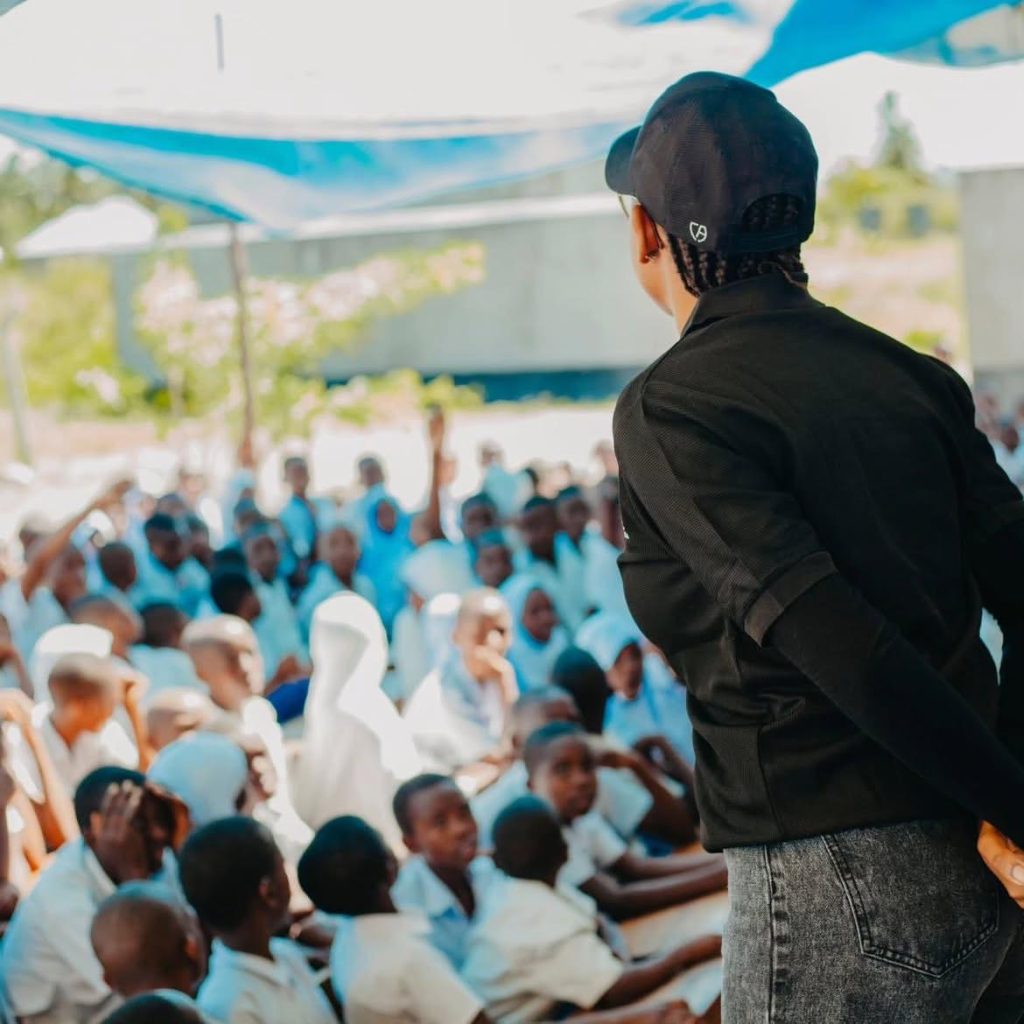
Protect
- School Safe Spaces where children can report abuse and seek help
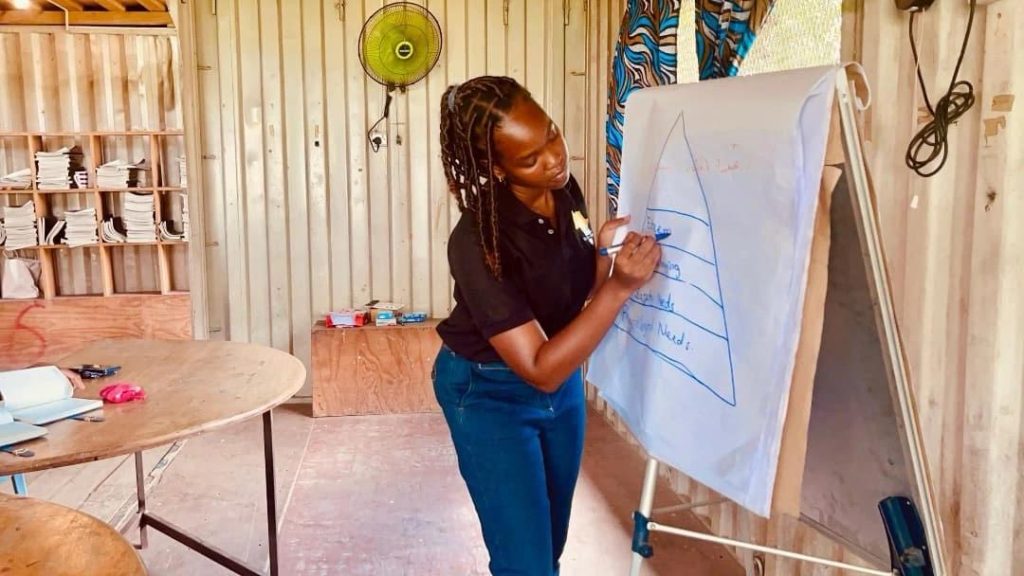
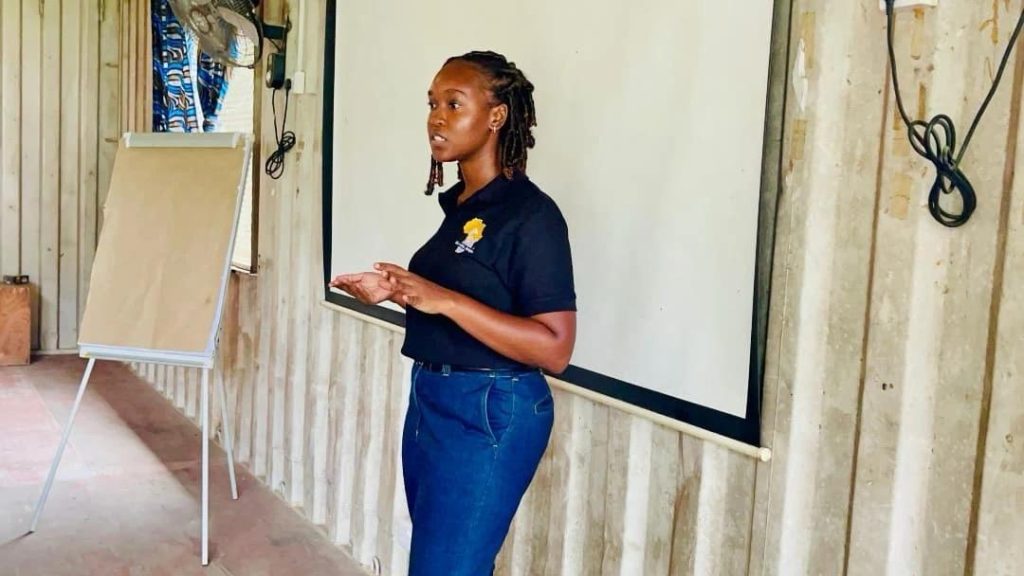
- Teacher training to recognize and respond to trauma
- Parent & community dialogues to challenge harmful norms
- Violence-prevention campaigns in schools
Heal
- Access to counseling and referral pathways
- Partnerships with psychologists and mental health professionals
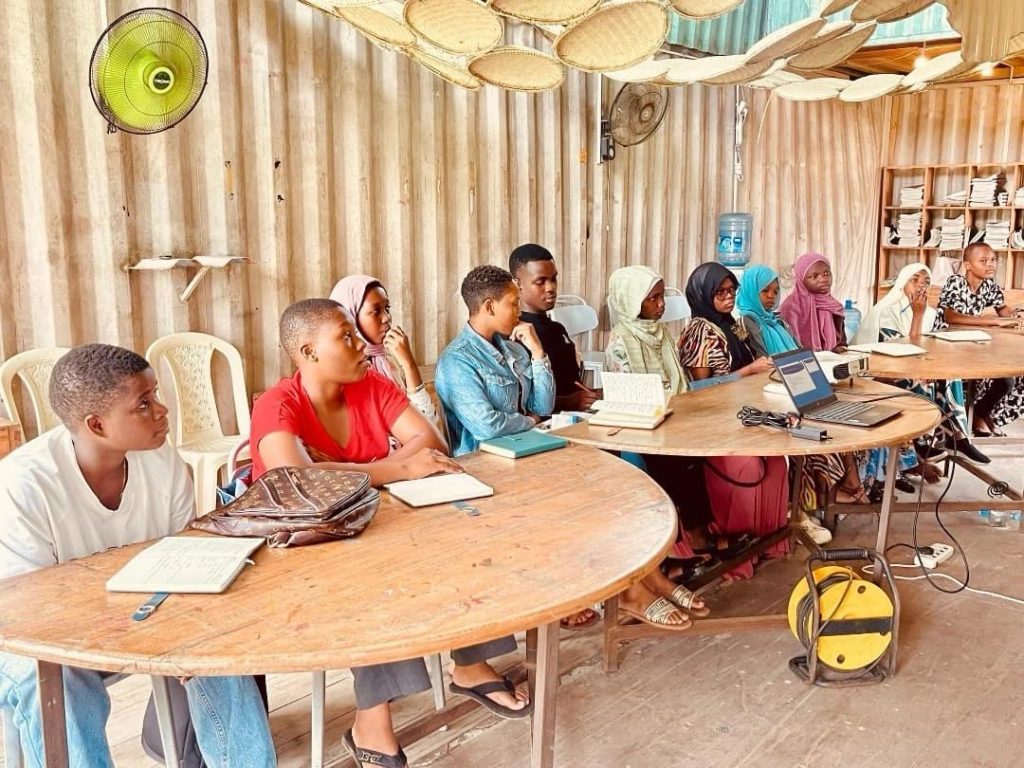
- Group emotional healing sessions and emotional literacy
Empower
- Emotional resilience curriculum for all children
- Girls’ Leadership Clubs to build agency, voice, and confidence
- Peer-support networks for children and youth
- Life skills, self-esteem, and advocacy training